
Opportunistic Screening and the Future of AI-Driven Healthcare
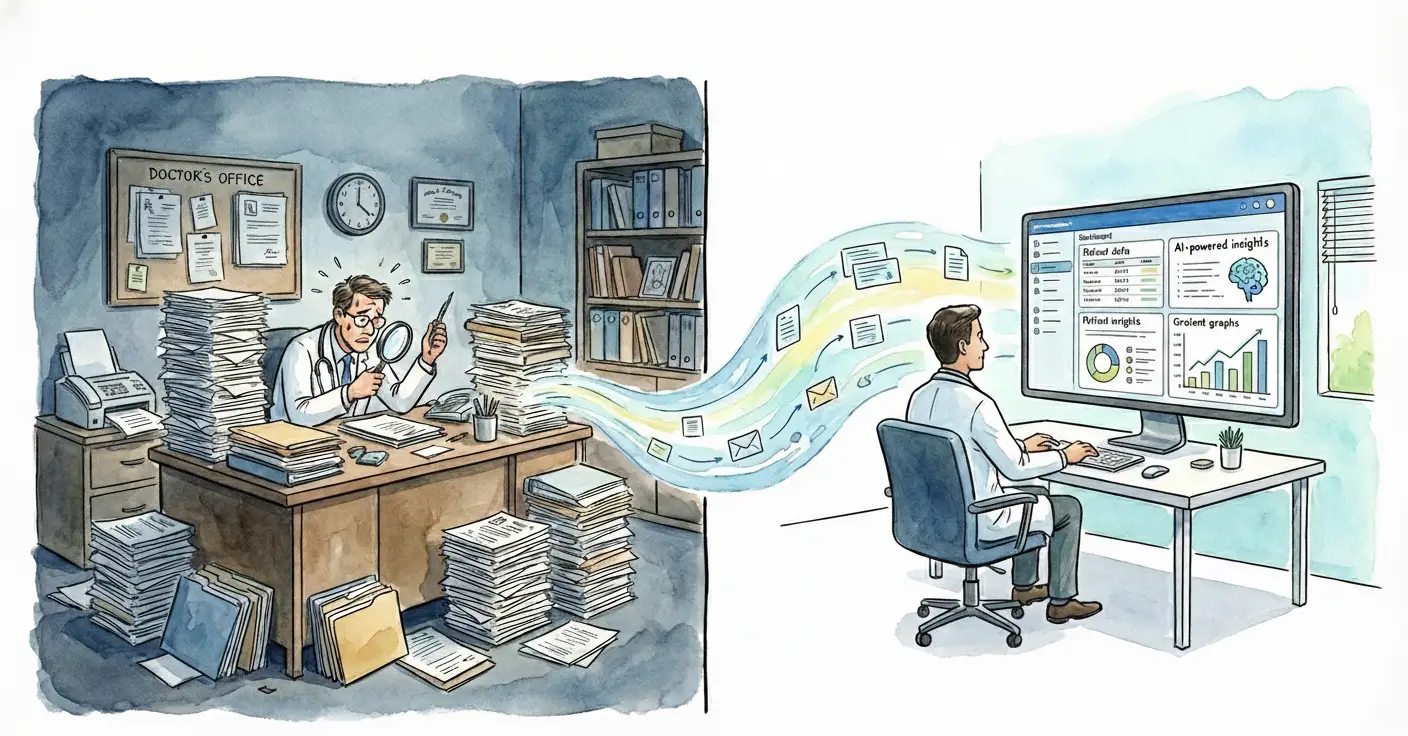
The landscape of medical imaging is being reshaped by the innovative concept of “opportunistic screening,” a technique that leverages artificial intelligence (AI) to extract a wealth of health information from routine CT scans. This approach allows radiologists to repurpose existing medical images, initially acquired for specific diagnostic purposes, to identify a broader range of conditions, potentially leading to earlier diagnoses and improved patient outcomes.
AI as a Diagnostic Powerhouse: Unveiling Cardiovascular Disease and Osteoporosis
Recent research from NYU Langone Health highlights the potential of AI-powered opportunistic screening. In a study presented at the Radiological Society of North America (RSNA) meeting, Dr. Miriam Bredella and her team demonstrated the ability of AI algorithms to analyze abdominal CT scans and detect calcium buildup in the aorta, a key indicator of cardiovascular disease. This suggests that routine abdominal scans could be used to predict heart attacks and other cardiovascular events, potentially saving lives through early intervention. Furthermore, a separate study published in Bone showcased the use of opportunistic screening to identify osteoporosis from CT scans originally performed for lung cancer screening. This research revealed a surprisingly high prevalence of bone loss across diverse patient populations, underscoring the potential of this technique to address healthcare disparities and improve early diagnosis of this often-silent condition.
Beyond Traditional Metrics: A Holistic View of Patient Health
The applications of opportunistic screening extend far beyond cardiovascular disease and osteoporosis. Researchers are actively exploring its use in quantifying muscle mass, detecting sarcopenia (age-related muscle loss), and analyzing body composition in ways that traditional measures like BMI cannot. By providing a more comprehensive and nuanced picture of an individual’s health, opportunistic imaging can empower clinicians to make more informed decisions, personalize treatment plans, and ultimately improve patient outcomes.
Navigating the Risks: Ensuring Accuracy, Privacy, and Ethical AI Implementation
While the potential benefits of AI-powered opportunistic screening are undeniable, it’s crucial to acknowledge and address the inherent risks associated with this technology. Ensuring the accuracy and reliability of AI algorithms, particularly by mitigating biases in training data, is paramount. Furthermore, the interpretability and explainability of AI-generated diagnoses must be prioritized to foster trust and facilitate clinical adoption. Protecting patient data security and privacy is also critical, requiring robust security measures and strict adherence to data protection regulations.
The Future of Opportunistic Screening: Towards Automated and Responsible Healthcare
As AI technology continues to evolve, opportunistic screening could become an automated component of routine CT scans, providing a comprehensive health assessment with every scan. This could revolutionize healthcare, leading to earlier diagnoses, timely interventions, and improved patient care. However, realizing this vision requires careful consideration of the ethical implications, ensuring responsible use of AI, and addressing potential risks to maximize the benefits of this transformative technology.
https://www.rsna.org/annual-meeting